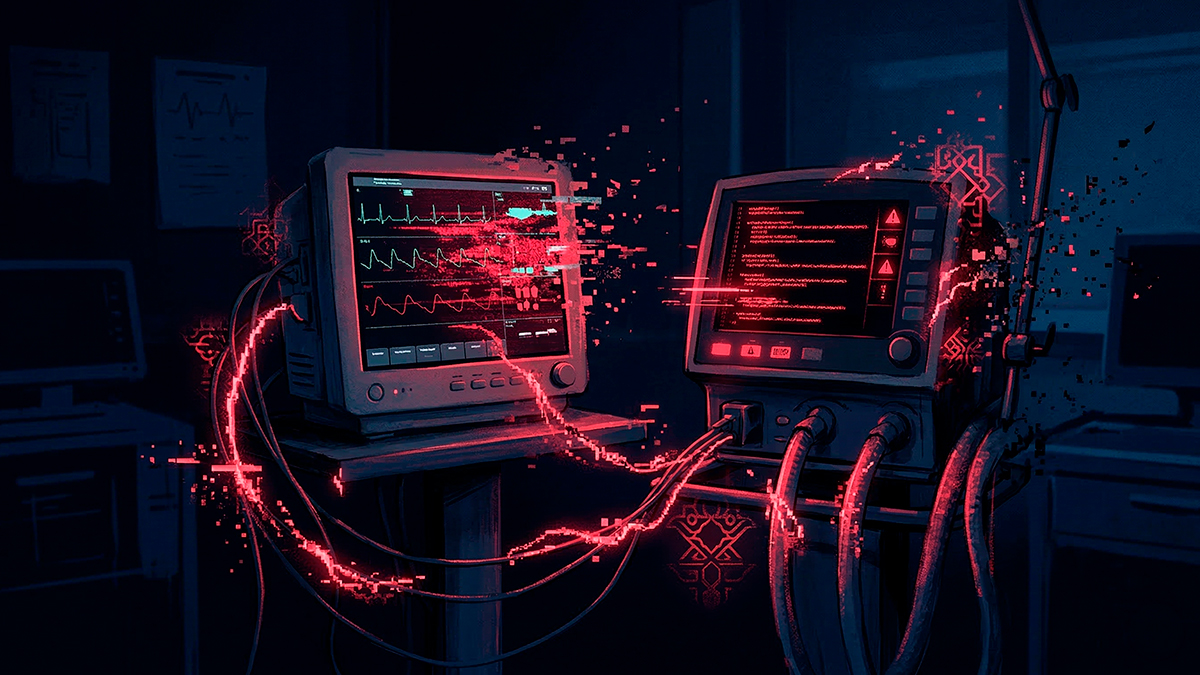
Stryker Cyber Attack Today: Handala Wipes 200,000 Devices in Disruptive Strike
In a significant cyber incident making headlines today, global medical technology leader Stryker has reportedly become the target of a sophisticated cyberattack, attributed to the pro-Iranian hacktivist group Handala. This disruptive strike has reportedly resulted in data being wiped from an estimated 200,000 systems and devices managed within Stryker’s Microsoft Intune environment, sending ripples of concern through the healthcare sector and prompting immediate precautionary measures across numerous hospitals, particularly in Michigan.
The incident, which reportedly occurred recently, highlights the escalating threat of cyber warfare and the vulnerability of critical infrastructure, especially the intricate supply chains supporting healthcare. Handala has claimed responsibility, framing the action as a response to ongoing geopolitical tensions linked to the Iran conflict. This Stryker Cyberattack: Wiper Malware Disrupts Global Operations underscores a growing trend of state-sponsored or politically motivated cyber incursions that extend beyond traditional espionage or financial gain, aiming instead for widespread disruption and impact.
The Anatomy of the Attack: Handala's Digital Offensive
Reports indicate that Handala's cyber assault on Stryker leveraged vulnerabilities within the company's Microsoft-based administrative console, specifically impacting its Microsoft Intune management environment. This central system is responsible for managing a vast array of devices, including servers, mobile devices, and other critical IT infrastructure.
While one source suggests the use of wiper malware to permanently erase data, Stryker, headquartered in Kalamazoo, Michigan, released a compliance filing with the U.S. Securities and Exchange Commission (SEC) stating it had “no indication of ransomware or malware” associated with the incident. The company maintained that the situation was believed to be contained. However, it acknowledged that the disruption had limited access to some of its information systems and business applications, affecting both operational and corporate functions.
The discrepancy in reporting regarding the presence of malware highlights the often-complex and rapidly evolving nature of cyber incidents, where initial assessments can differ. What is clear, however, is the significant impact on Stryker's internal systems and the cascading effects on its global operations, including its critical headquarters in Cork, Ireland, where thousands of employees reportedly lost access to vital systems.
Following the breach, Stryker's employees at its Portage facility were reportedly instructed to disconnect from the company network, avoid using work computers, and stay off Wi-Fi until systems could be restored. Staff were also advised to remove device management profiles from work phones, a clear indication of the deep concern regarding potential further compromise.
Ripple Effect: Impact on Hospitals and Healthcare Supply Chains
The Stryker cyberattack quickly extended its reach beyond the company’s internal networks, sending tremors through the healthcare facilities that rely on its wide array of medical devices and technologies. Local reports from Michigan indicated that hospitals utilizing Stryker equipment proactively took certain devices offline as a precautionary measure.
The Michigan Department of Health and Human Services (MDHHS) confirmed that several healthcare facilities implemented heightened safety protocols. These measures included switching to backup communication systems to maintain essential operations while the full scope of the situation was assessed. Such actions, though crucial for patient safety, underscore the immediate and tangible impact a vendor's cyber incident can have on frontline healthcare delivery.
This event serves as a stark reminder of the Healthcare Supply Chain Risk: Stryker Cyberattack Analysis. Modern healthcare relies heavily on interconnected technologies and third-party vendors for everything from surgical instruments to imaging systems and hospital management software. When a key vendor like Stryker faces a cyberattack, the potential for disruption across the entire healthcare ecosystem is immense.
Cybersecurity experts are urging healthcare organizations to view this incident as a critical lesson in supply-chain cyber risk management. As Dave Bailey, Vice President of Consulting at Clearwater Security, emphasized, hospitals must proactively address these vulnerabilities.
Protecting Healthcare: Actionable Advice for Providers
In the wake of the Stryker cyberattack, healthcare providers must revisit and fortify their cybersecurity postures, particularly concerning third-party vendor relationships. Here are key areas to focus on:
- Enhanced Vendor Risk Management: Establish robust processes for vetting third-party vendors, assessing their cybersecurity practices, and ensuring contractual agreements include stringent security clauses and incident response expectations.
- Monitor Connectivity: Closely monitor all connectivity between internal networks and vendor-managed systems. Implement network segmentation to isolate critical medical devices and reduce the blast radius if a vendor system is compromised.
- Verify Device Operational Status: Regularly verify the operational status of all medical devices, especially those managed or supplied by external vendors. Be prepared for manual operation or alternative solutions if digital systems become unavailable.
- Develop Comprehensive Downtime Procedures: Ensure that clear, well-rehearsed downtime procedures are in place for all critical systems and medical devices. Staff should be trained on how to operate during a total IT outage, including backup communication protocols and manual documentation.
- Strengthen Endpoint Security: Review and enhance endpoint security controls across all devices, regardless of whether they are directly managed by your organization or a vendor. This includes advanced threat detection, intrusion prevention, and regular patching.
- Boost Incident Response Readiness: Develop and regularly test incident response plans that specifically address supply chain disruptions and third-party compromises. This should include clear communication strategies with vendors, staff, and regulatory bodies.
- Employee Awareness and Training: Remain vigilant against phishing attempts, social engineering, and credential theft, which often exploit confusion during a major incident. Regular training can significantly reduce human error as a vulnerability.
Ongoing Investigations and the Future of Medical Device Security
The Cybersecurity and Infrastructure Security Agency (CISA) has confirmed that it has opened an investigation into the Stryker cyberattack. Acting director Nick Andersen stated that the agency is collaborating with both public and private sector partners to gather critical information and provide technical assistance to affected entities. This high-level involvement underscores the national security implications of attacks on critical medical infrastructure.
This incident vividly illustrates that the "Stryker Cyber Attack Today" is not just about a single company but represents a broader challenge for the entire medical technology industry and the healthcare sector it serves. The motivations behind such attacks, whether geopolitical or criminal, necessitate a paradigm shift in how cybersecurity is approached.
As medical devices become increasingly connected and integrated into digital networks, they also become potential vectors for cyberattacks. Manufacturers like Stryker bear a significant responsibility to build security into their products from the ground up, implementing "security by design" principles. Concurrently, healthcare providers must invest in robust cybersecurity frameworks, foster a culture of vigilance, and build resilience against an ever-evolving threat landscape.
The Stryker cyberattack serves as a powerful reminder that cybersecurity is not merely an IT issue but a fundamental component of patient safety and operational continuity in modern healthcare. The lessons learned from Handala's disruptive act will undoubtedly shape future strategies for defending the digital frontier of medicine.